
From sign-ups to revenue: What meed changed during Cohort 13
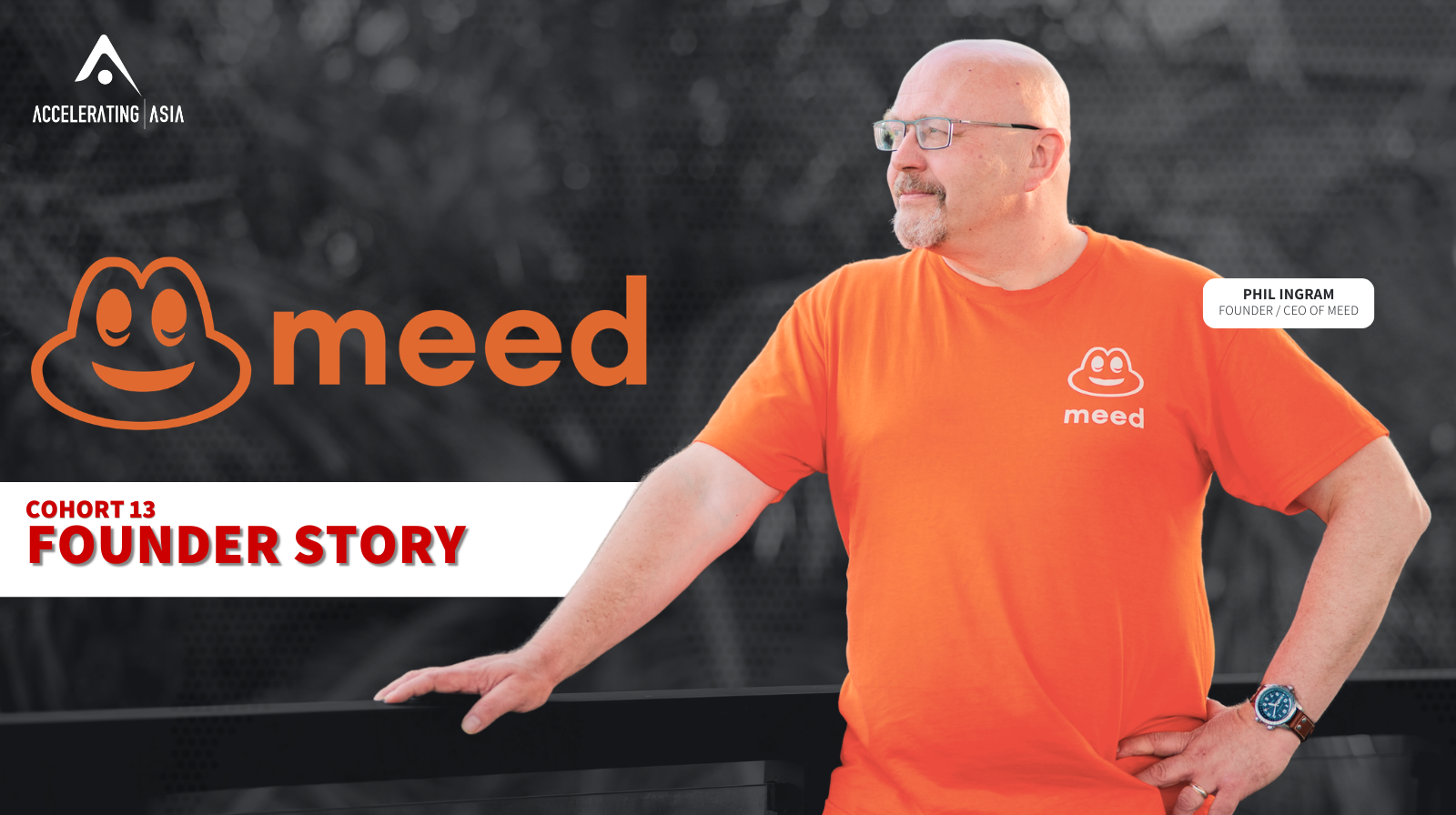
Before Cohort 13, 593 businesses had already found meed organically across 84 countries. The problem wasn't attention. It was what happened after sign-up.
meed is building a consumer-first loyalty network. Instead of asking people to join a different loyalty programme for every shop, the platform lets consumers build one profile and connect with participating retailers. Retailers get access to a network that is already forming instead of starting from zero with another standalone rewards app.
The reach was impressive, particularly without paid acquisition. But a wide footprint did not automatically create activation, density or revenue. Too many businesses were finding the platform without making it far enough through the product journey.
The problem wasn't more sign-ups
The team joined Cohort 13 with a clear set of questions. Why were so many businesses finding the platform but too few moving through activation? Which customer segments were responding most strongly? Where was onboarding breaking?
The work was not one dramatic change. It was a series of smaller operating decisions. Phil Ingram and the team shifted their attention from the headline sign-up number to activation, customer behaviour and revenue. They rebuilt onboarding, introduced simpler product modes, reduced security steps and used customer data to identify real clusters rather than treating a global total as proof of a network effect.
They also paused acquisition when product friction risked wasting the spend. When an activation bug prevented some businesses from using the system after crossing 50 members, they fixed the journey before pushing more companies into it.
This is part of accelerator work that rarely appears on a Demo Day stage. More attention would not have solved the problem. Our team worked with Phil and the meed team to focus on what happened after a business signed up, then use the weekly numbers to decide what to fix next.
What changed during the programme
By the Demo Day period, meed reported:
More than 700 organic business sign-ups, up from 593 at the March team interview
A footprint across 91 countries, up from 84 earlier in the programme
60 percent revenue growth from May to June, followed by 50 percent from June to July
Zero churn among activated paying customers
Phil and his team did the work. The programme added weekly discipline, helped the team separate interest from activation and made product problems visible earlier.
For founders, the value is in getting to those weak points earlier, while there is still time to do something about them.
Know the numbers and tell the truth about them
Phil's advice to founders considering Cohort 14 was simple:
“Know your numbers and tell the absolute truth about them. There's no shame in being early stage. You don't have to defend your numbers. You have to explain why they make sense for the stage you're at.”
The strongest accelerator applicants are not the companies pretending everything already works. They are the founders who understand what doesn't work yet, can explain why, and are willing to test whether their current answer is wrong.
Applications for Cohort 14 close Sunday, 23 August. If you apply after the deadline, we'll try to review it, but applications received by Sunday will be reviewed first.
If you're building a seed to pre-Series A startup in South or Southeast Asia, applications for Cohort 14 close on by 23 August to be included in priority review. Applications will remain open after that date, but later applications will be reviewed only where the selection timetable and team capacity allow.
SUBMIT YOUR APPLICATION FOR COHORT 14
Apply by August 23, 2026
US$100,000. 100 days. Up to 10 startups. We back seed to pre-Series A founders solving real problems across South and Southeast Asia.
Applications remain open afterward, but late submissions will be reviewed only where the selection timetable and team capacity allow.
For investors, this is the part of the accelerator that matters before Demo Day. We can see whether a founder understands the difference between attention and conversion, how quickly they respond when the product is losing customers, and whether the changes show up in revenue and retention.
Fund II is in final close, with more information at acceleratingasia.com/investors.
Start with the fund deck. Choose your path at acceleratingasia.com/investors and we'll send access.
Ask a question first. Email team@acceleratingasia.com and we'll get back to you.
Ready to invest? Book a call here with a partner.
See the portfolio. Check out acceleratingasia.com/portfolio. Filter by country, sector, or fundraising status. Request an introduction directly to any CEO.
For investors and partners. Choose your path at acceleratingasia.com/investors. Whether you're looking to co-invest in individual startups or invest in the fund, the next step is there.
* Carta Q4 2025 VC Fund Performance. US benchmarks used as Asian fund comparables remain limited.
About Accelerating Asia Ventures
Accelerating Asia Ventures is an independent accelerator and venture capital fund investing in early-stage startups across Southeast and South Asia. Founded by operators, the organisation is committed to supporting founders with capital, credibility, and a long-term community.
For interviews, data requests, or portfolio introductions, contact: team@acceleratingasia.com
