

Whenever we announce a cohort, the question we get is some version of the same one: out of that many companies, how do you actually choose? This year that question has more weight than usual, because the pool was the largest we have ever reviewed, 724 applications, and almost every one of them said the same word. AI.
So here is the honest answer, company by company. Not what the five do, we covered that on Tuesday, but why each one made it through, and why we find each of them genuinely interesting.
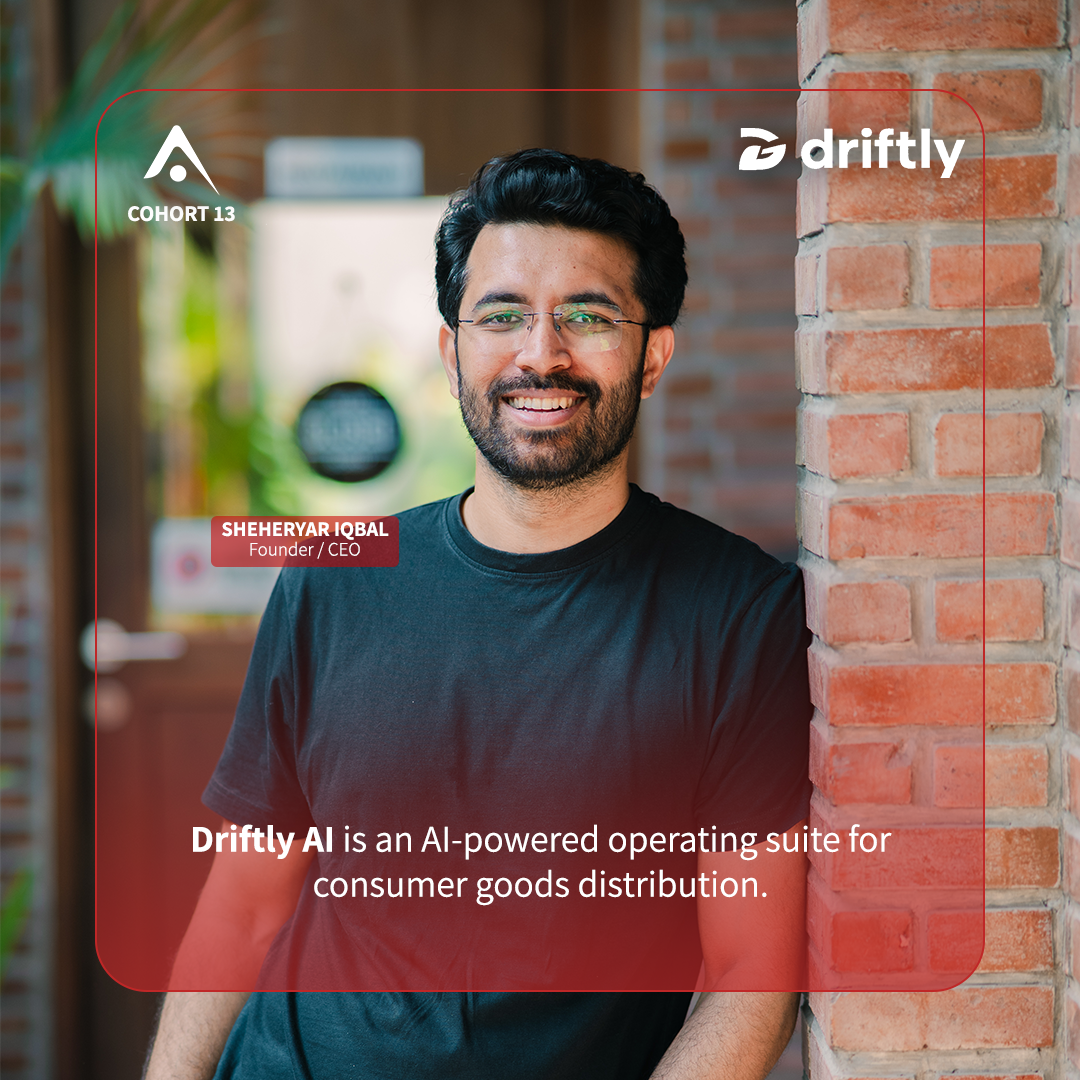
Driftly: the people who built the biggest thing in this space are backing it
Distribution in emerging markets runs on intuition, and intuition leaks margin at every step. What caught us about Driftly was not just that it puts an LLM-managed decision layer over that chain. It was also who was standing behind it. Founder, Sheheryar Iqbal spent five years on the early team at Airlift, one of the most ambitious distribution companies the region has produced, and the Airlift founders, Usman Gul and Ahmed Ayub, are now angels in his company. When the people who built the largest thing in your category choose to back the person solving it next, that is a conviction signal money cannot fake. And the early proof is already concrete: the team embedded inside its first major customer, Gourmet, for eight months, doubled the sales footprint of the pilot distribution centre and saved it over 20% in margin, enough that Gourmet is now rolling Driftly out nationally. The fact that Coca-Cola, Pepsi and Nestle are already in the pipeline only confirmed what those angels saw first.
Check out Driftly: https://driftly.co/
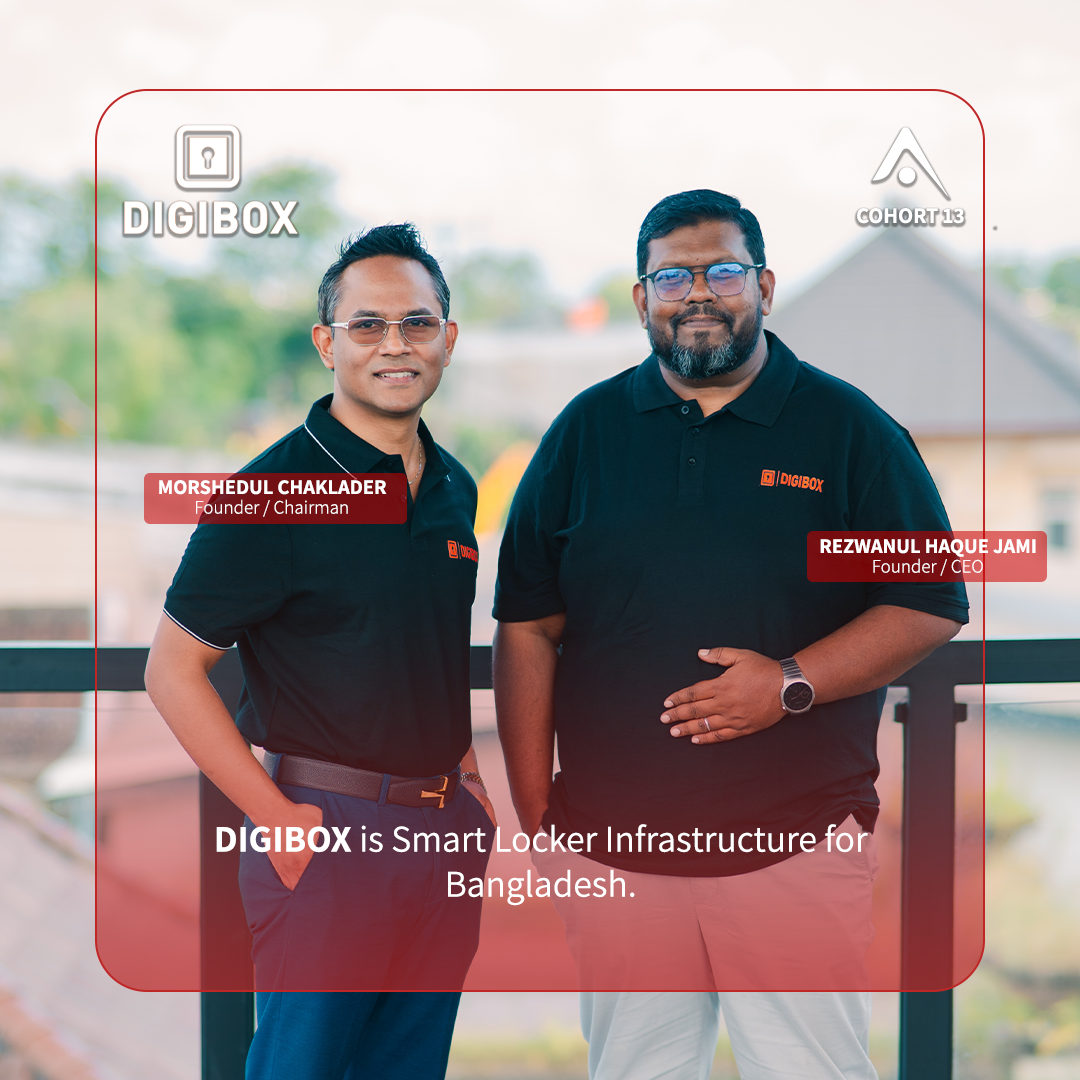
DIGIBOX: it is infrastructure, not another courier
Every other last-mile company in Bangladesh competes on the same things: more riders, more vans, more warehouses. DIGIBOX decided to build the layer underneath all of them instead. It is the country's first and only shared logistics infrastructure, a network of lockers any platform, bank or retailer can plug into. That is the part we find genuinely cool: it is a toll road, not a truck. What makes it defensible is that the company designs and manufactures its own lockers in house, with a 31-person team and patents pending, which also lets it sidestep the punishing import duties that would sink anyone trying to buy the hardware in. And it has done the hard part already, growing from 5 lockers to 55 largely bootstrapped, and trading right through the political upheaval of 2024 to come out the other side with more of the network than before. The proof that the road is real is already here, with 123,000 end users and roughly one percent of every Daraz order in the country now flowing through it. Founder Rezwanul Haque Jami has built and exited two companies before this one, so he knows what it takes to go the distance. Infrastructure is hard to start and very hard to dislodge once it works, which is exactly why so few people attempt it.
Check out Digibox: http://www.digibox.com.bd
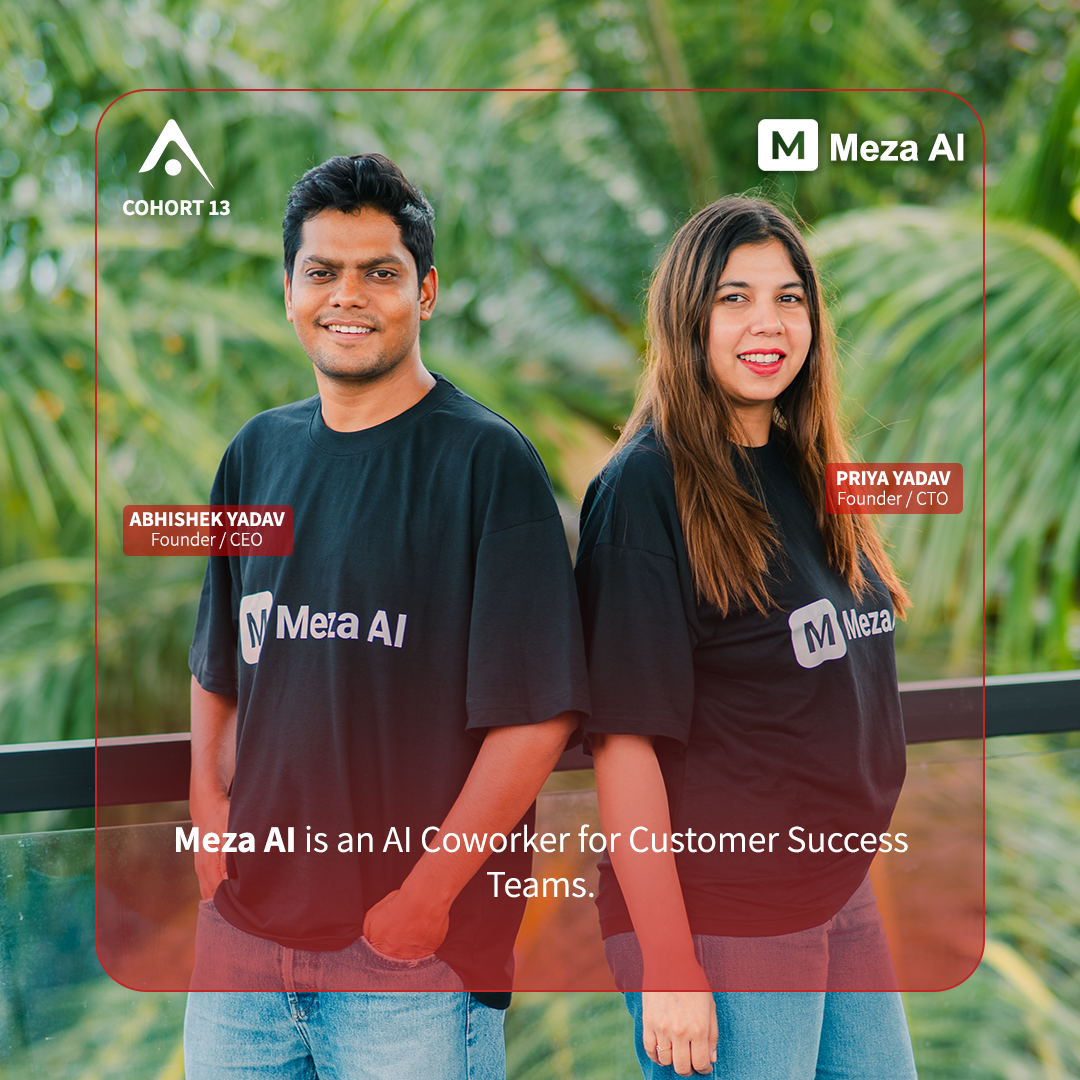
Meza: a system of decision, not a system of record
Most software in customer success tells you what already happened. Meza's co-founders, Abhishek Yadav and Priya Yadav, have known each other for more than twenty years and built their last company to more than two million users. They were tired of dashboards that showed the churn after it was too late to stop. So they built the opposite: a layer that does not just display a health score but tells the team which account is at risk, why, and what to do next. They call it a system of decision rather than a system of record, and once you hear the distinction you cannot unhear it. That insight only comes from having felt the pain yourself, and the market is voting for it: every pilot Meza has run has converted to a paying customer, an early sign the product solves something people will actually pay to fix.
Check out Meza: https://www.meza.ai/
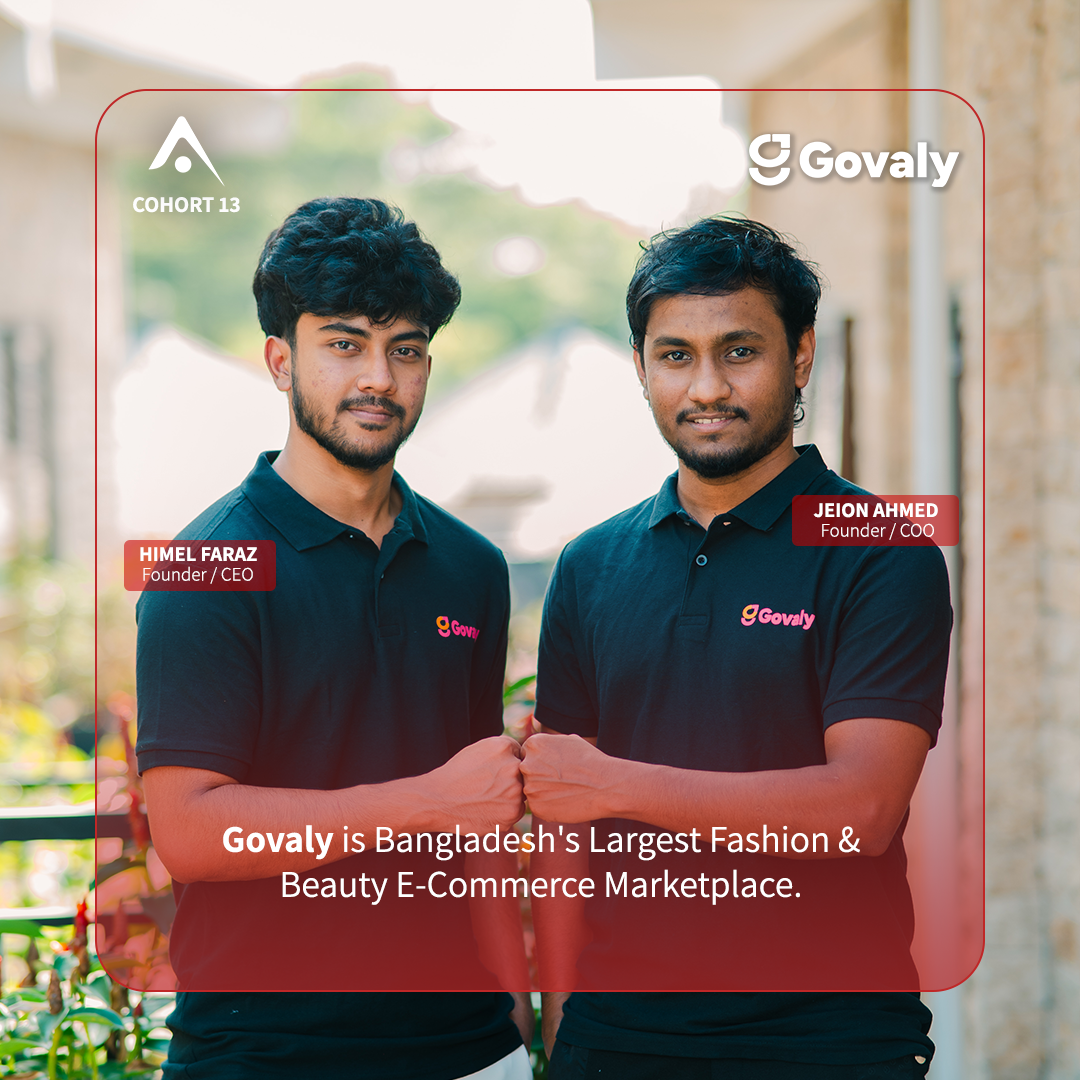
Govaly: a focused player beating the giants on their own metrics
It is easy to assume the horizontal marketplaces have already won e-commerce. Govaly is quietly proving otherwise in fashion and beauty, a category growing at more than 30% a year in Bangladesh, by doing the unglamorous work the giants skip: verifying every seller, refusing counterfeits, and obsessing over one category instead of selling everything to everyone. The result is a set of numbers the giants cannot match on their own turf, an average order value around three times the local norm and up almost 70% in eighteen months, cancellations a third of the industry average, and the fastest fashion delivery in the country, around 80% faster than the market because its non-warehouse model ships straight from verified sellers instead of holding inventory. What makes it genuinely cool is how it got there: gross merchandise value is up 27 times in eighteen months with zero paid acquisition, all of it pulled by a 45-person team building trust the slow way. Focus, done properly, is still a moat.
Check out Govaly: https://govaly.com.bd
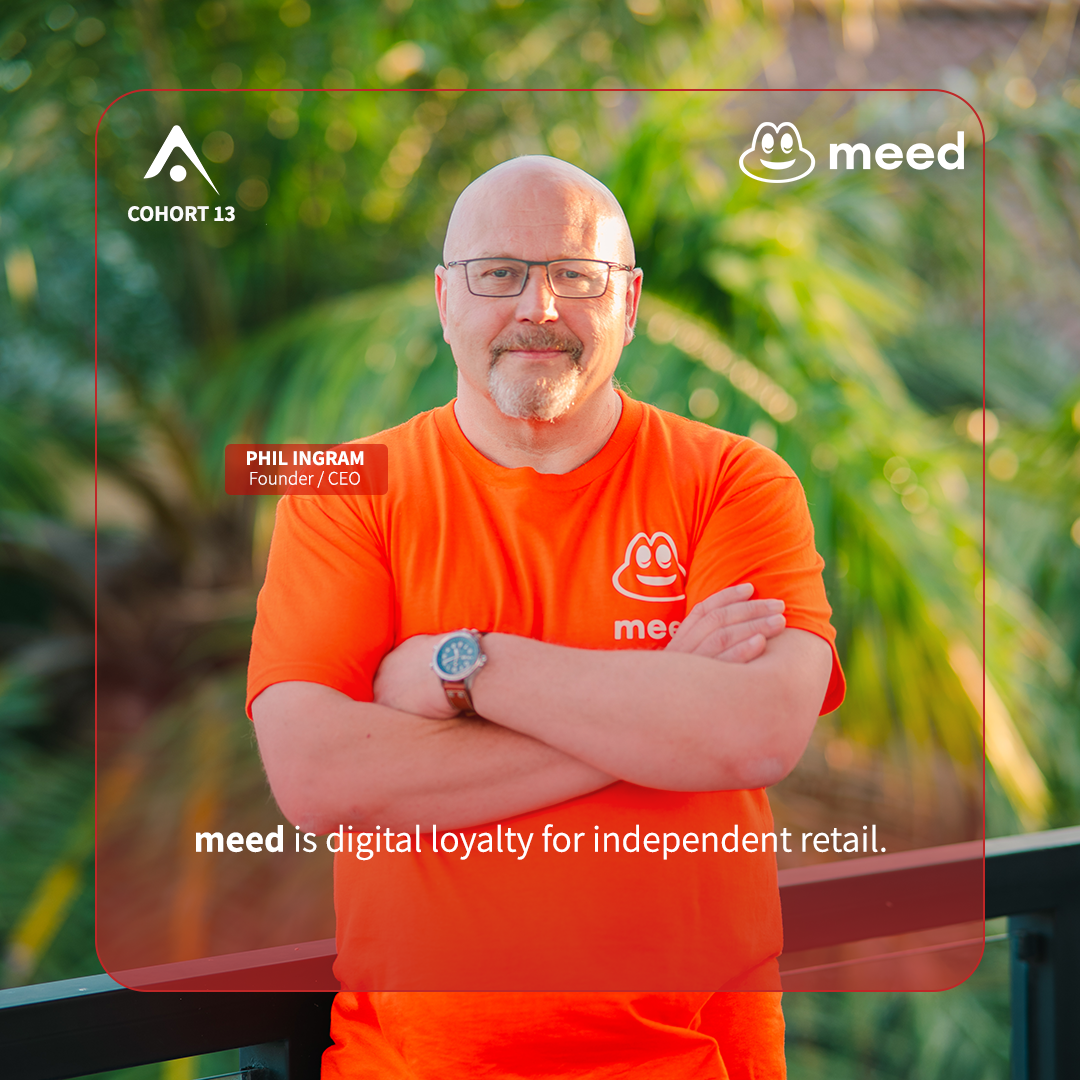
meed: demand it does not have to pay for
The clearest signal a product is genuinely wanted is when people find it without being sold to. meed has more than 700 merchant sign-ups from 85 countries, with no paid acquisition at all, an organic LTV to CAC ratio of roughly 140 to 1, and zero churn among the merchants who pay. It is the first consumer-first unified loyalty layer, one card that works everywhere rather than one more app per brand, and that design is why it spreads on its own. The problem it is aimed at is enormous and badly served: more than half of all loyalty memberships sit dormant precisely because every brand insists on its own app, and that wasted engagement is worth a fortune. Organic pull at this spread, this early, is rare, and it is one of the hardest things to manufacture if it is not already happening. Founder Phil Ingram has spent 28 years building product across Web2 and Web3, and has funded the company to this point himself.
Check out meed: https://www.meedloyalty.com/
Invest with us
These five startups join a portfolio of over 100 companies in the Accelerating Asia Ventures family. These five, including many already in the portfolio, are at various stages of fundraising right now. You can choose to invest in one, or in all of them through the Fund.
Fund 2 is in final close.
Start with the fund deck. Choose your path at acceleratingasia.com/investors and we'll send access.
Ask a question first. Email team@acceleratingasia.com and we'll get back to you.
Ready to invest? Book a call here with a partner.
- Craig & Amra General Partners | Accelerating Asia Ventures
See the portfolio. Check out acceleratingasia.com/portfolio. Filter by country, sector, or fundraising status. Request an introduction directly to any CEO.
For investors and partners. Choose your path at acceleratingasia.com/investors. Whether you're looking to co-invest in individual startups or invest in the fund, the next step is there.
* Carta Q4 2025 VC Fund Performance. US benchmarks used as Asian fund comparables remain limited.
About Accelerating Asia Ventures
Accelerating Asia Ventures is an independent accelerator and venture capital fund investing in early-stage startups across Southeast and South Asia. Founded by operators, the organisation is committed to supporting founders with capital, credibility, and a long-term community.
For interviews, data requests, or portfolio introductions, contact: team@acceleratingasia.com
